Creating Content That Converts: A Beginner's Guide to Writing Effective Blog Posts
Are you tired of writing blog posts that don't seem to be driving any results? Do you want to learn how to create content that actually converts visitors into customers? In this tutorial, we'll take you through a step-by-step guide on how to create blog content that converts. You'll learn how to plan, write, and optimize your blog posts to achieve your marketing goals. By the end of this guide, you'll be equipped with the skills and knowledge to write effective blog posts that drive real results.
Step 1: Define Your Target Audience and Create Content That Converts
To create content that converts, you need to understand who your target audience is and what their pain points are. Start by researching your ideal customer and creating buyer personas. This will help you tailor your content to their specific needs and interests. For example, if you're writing a blog post about fitness, your target audience may be fitness enthusiasts who are looking for workout tips and advice. 
Step 2: Choose a Topic That Resonates with Your Audience and Drives Conversions
Once you have a clear understanding of your target audience, it's time to choose a topic that resonates with them. Brainstorm a list of ideas and narrow it down to the most relevant and timely topics. Consider what's currently trending in your industry and what your audience is talking about. Use tools like Google Trends and social media to stay up-to-date with the latest conversations. For instance, if you're in the marketing industry, you could write about the latest social media marketing trends or tips on how to create effective content that converts. 
Step 3: Craft a Compelling Headline That Grabs Attention and Converts
Your headline is the first thing that readers will see, so it's crucial to make it count. Write a headline that's attention-grabbing, informative, and optimized for SEO. Use action verbs and questions to pique the reader's interest. For example, "10 Simple Ways to Boost Your Social Media Engagement" or "What's the Secret to Creating Content That Converts?" Avoid clickbait headlines that are misleading or overly promotional. Instead, focus on creating a headline that accurately reflects the content of your blog post and resonates with your target audience.
Step 4: Write Engaging and Informative Content That Converts
Now it's time to write your blog post. Keep your content engaging, informative, and concise. Use a conversational tone and avoid jargon or technical terms that may confuse your readers. Break up your content into sections and use subheadings, bullet points, and short paragraphs to make it easy to read. Use examples, anecdotes, and real-life scenarios to illustrate your points and make your content more relatable. For instance, if you're writing about the importance of content marketing, you could share a success story of a company that saw significant results from their content marketing efforts.
Step 5: Optimize Your Content for SEO to Increase Conversions
SEO is crucial to getting your content seen by the right people. Optimize your blog post by using relevant keywords, meta descriptions, and optimizing your images. Use tools like Google Keyword Planner to research keywords and phrases that your target audience is searching for. Make sure to include your target keyword in your headline, subheadings, and throughout your content. However, avoid keyword stuffing, as this can negatively impact your SEO. Instead, focus on creating high-quality content that provides value to your readers.
Step 6: Add a Clear Call-to-Action to Increase Conversions
A clear call-to-action (CTA) is essential to converting your readers into customers. Tell your readers what you want them to do next, whether it's to sign up for a newsletter, download an e-book, or make a purchase. Make your CTA prominent and visible, and use action verbs like "sign up," "download," or "buy now." Avoid using vague CTAs like "learn more" or "contact us." Instead, create a sense of urgency by using limited-time offers or scarcity tactics. For example, "Sign up now and get a free consultation" or "Download our e-book today and start seeing results tomorrow."
Step 7: Promote Your Content to Reach a Wider Audience and Increase Conversions
Promoting your content is crucial to reaching a wider audience and driving conversions. Share your blog post on social media, email newsletters, and other relevant channels. Engage with your readers by responding to comments and creating a community around your content. Collaborate with influencers and other bloggers in your industry to expand your reach. Use paid advertising like Facebook ads or Google AdWords to target your ideal customer and drive traffic to your blog post.
Step 8: Measure and Analyze Your Results to Optimize Your Content and Increase Conversions
Finally, it's essential to measure and analyze your results to see what's working and what's not. Use tools like Google Analytics to track your website traffic, engagement, and conversion rates. Monitor your social media metrics to see how your content is performing on different platforms. Adjust your strategy based on your results, and continually test and optimize your content to improve your results. For instance, if you find that your Facebook ads are driving more conversions than your Twitter ads, you may want to allocate more budget to Facebook and adjust your Twitter strategy.
Frequently Asked Questions
Q: What is content that converts? A: Content that converts is any type of content that drives a specific action or result, such as generating leads, making sales, or building brand awareness.
Q: How do I know what type of content to create? A: To determine what type of content to create, you need to understand your target audience and what their pain points are. Research your ideal customer and create buyer personas to help guide your content creation.
Q: How do I optimize my content for SEO? A: To optimize your content for SEO, use relevant keywords, meta descriptions, and optimize your images. Use tools like Google Keyword Planner to research keywords and phrases that your target audience is searching for.
Q: What is a clear call-to-action? A: A clear call-to-action is a prominent and visible instruction that tells your readers what you want them to do next, such as signing up for a newsletter, downloading an e-book, or making a purchase.
Create Content That Converts With These 25 Content Tips

Create Content That Converts With These 25 Content Tips
How To Create Content That Converts
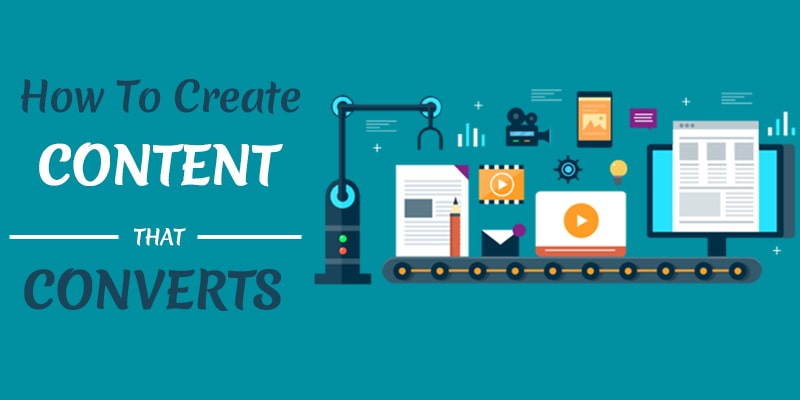
How To Create Content That Converts
How To Create Blog Content That Converts - Cedarwood Digital
How To Create Blog Content That Converts - Cedarwood Digital